Financial Foresight - Lessons from Architecture
Designing Spaces to Improve Lives
When I built a coworking space, my goal was to create an environment conducive to focused work: quiet, well-lit, clean, and open. Decorations were minimal, limited to an abstract mural with colors chosen to support concentration. The major changes focused on increasing natural light and incorporating elements that mimicked natural environments. The response was noticeable; people worked more effectively and reported feeling better. As Hemingway wrote in A Clean, Well-Lighted Place, there is dignity and peace in a clean, well-lit space. He understood that human beings crave order and clarity in both their surroundings and their thoughts. This intentional approach to design often appeared as a highlight in customer feedback.




Architecture, even in modest settings, can be an act of moral duty. Improving a structure affirms that our environment shapes our behavior. By designing better, we create better experiences. This mindset guided both my restoration projects and my approach to investment.
When I later purchased a run-down rooming house in Keansburg, NJ, I approached it with the same principle, though the process was gradual rather than a complete redesign. The intention was not modernization for its own sake. I aimed to preserve the property’s historical charm while enhancing its livability and contributing to the neighborhood through subtle curb appeal improvements. Through incremental repairs and landscaping, I observed how small changes can shape the character of a home and its impact on those living around it. These efforts illustrate a broader philosophy: by taking care of the spaces we inhabit, we can improve communities and the lives of those around us.
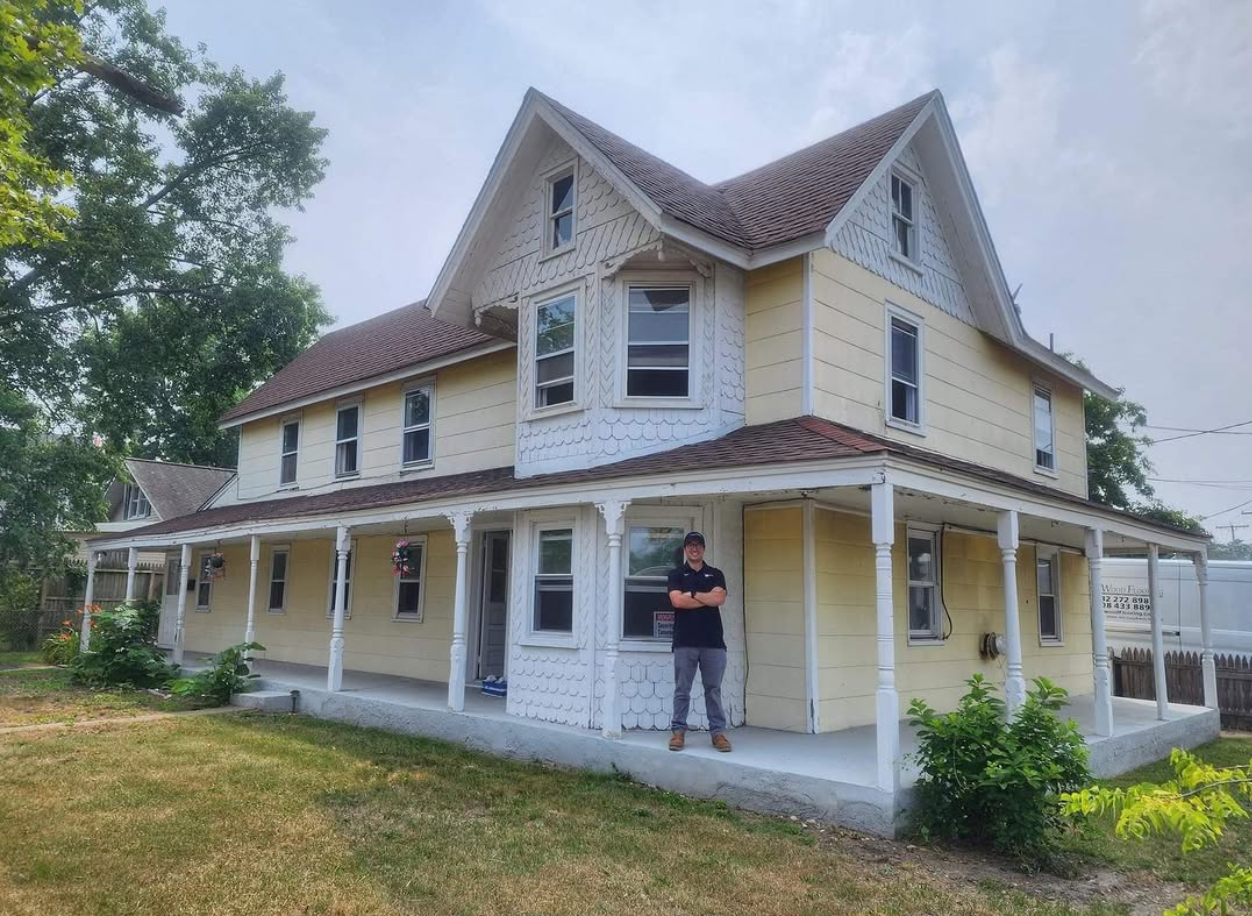
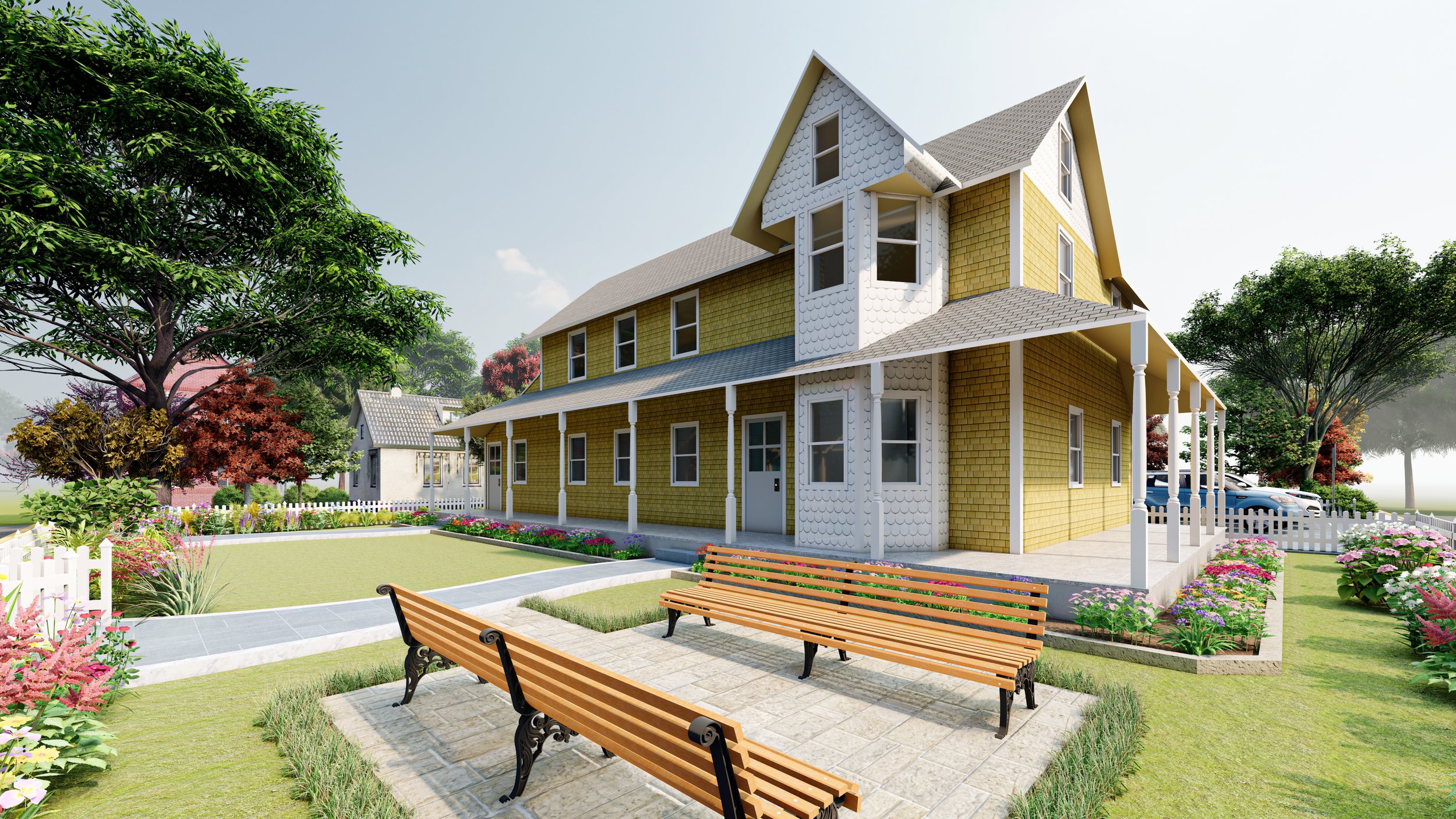
Even when progress is slow, the work reflects a belief that our actions should embody the values we want our buildings to represent. Attention to detail and commitment to continuity show that historic preservation is not nostalgia but a way to maintain meaningful connections with the past.
Architecture that Improves Life
Beyond private projects, examples abound of architecture improving human life on a civic scale. Waterloo Park in Austin, which I visited on a recent business trip, impressed me with its combination of low-cost construction and high-impact design. Native plantings, natural topography, and open walkways transformed an underused space into a living park that invites reflection and community. Likewise, the Washington Avenue Connector in Philadelphia reconnects neighborhoods to the waterfront, stitching together a once-divided urban fabric.

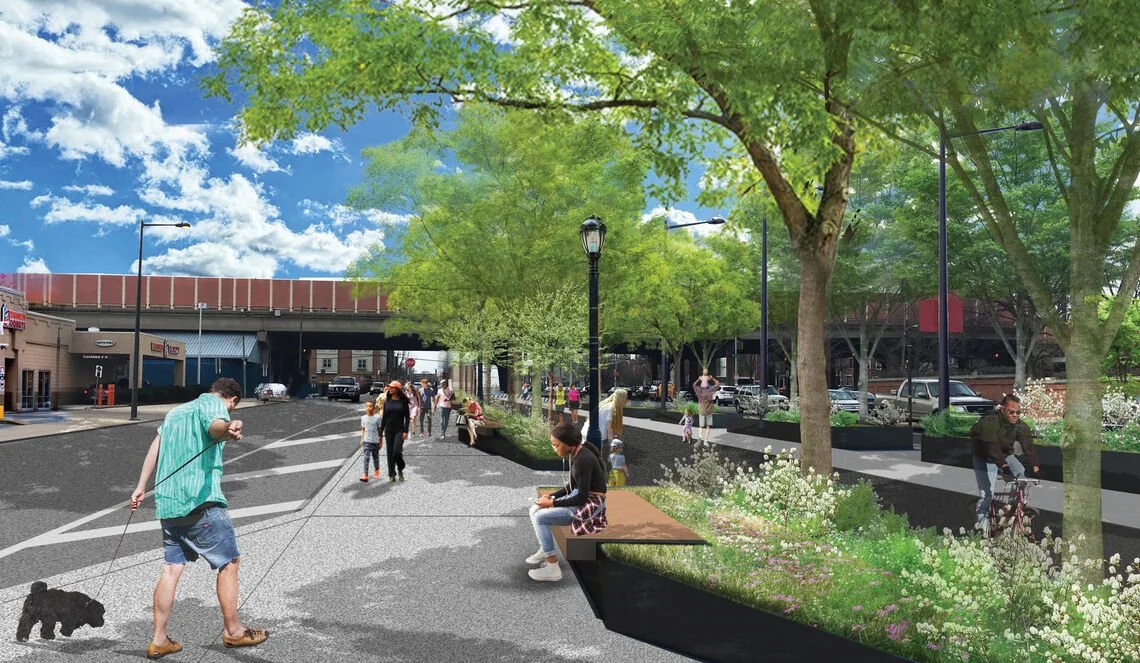
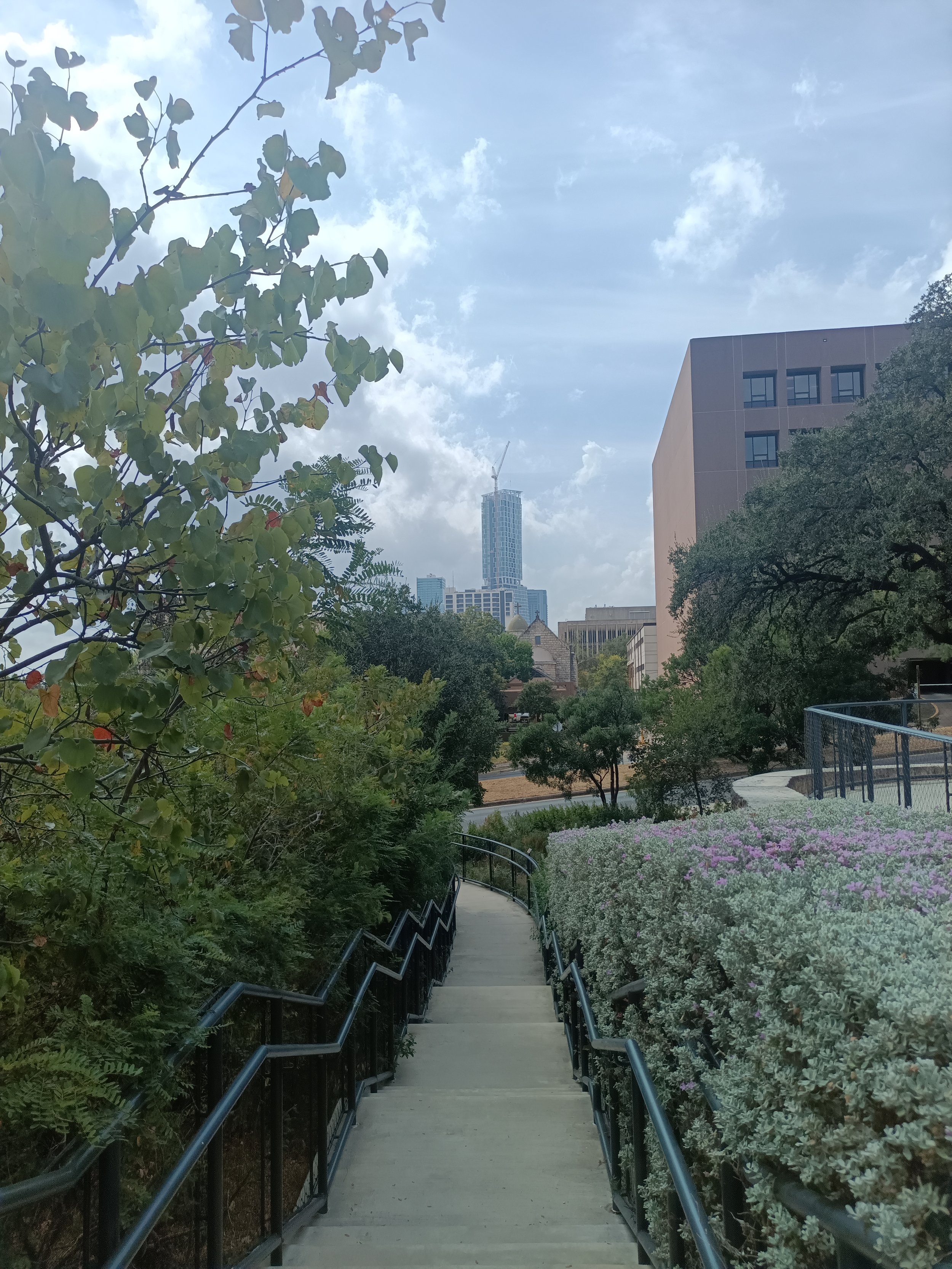
Such projects demonstrate that good design does not require extravagance; it requires foresight. Architects and planners who design for future generations understand that their work will outlast them. They build not for design awards but for generations yet to come.
The Philadelphia Athenaeum stands as one of the country’s finest examples of preservation of architectural knowledge. My wife and I recently made a lifetime shareholder donation to the institution, whose sandstone façade and refined classical proportions reflect the dignity of the ideas it safeguards. Designed in the Greek Revival style, its symmetry, proportion, and restraint convey permanence and clarity, qualities that every great building and every enduring culture requires.
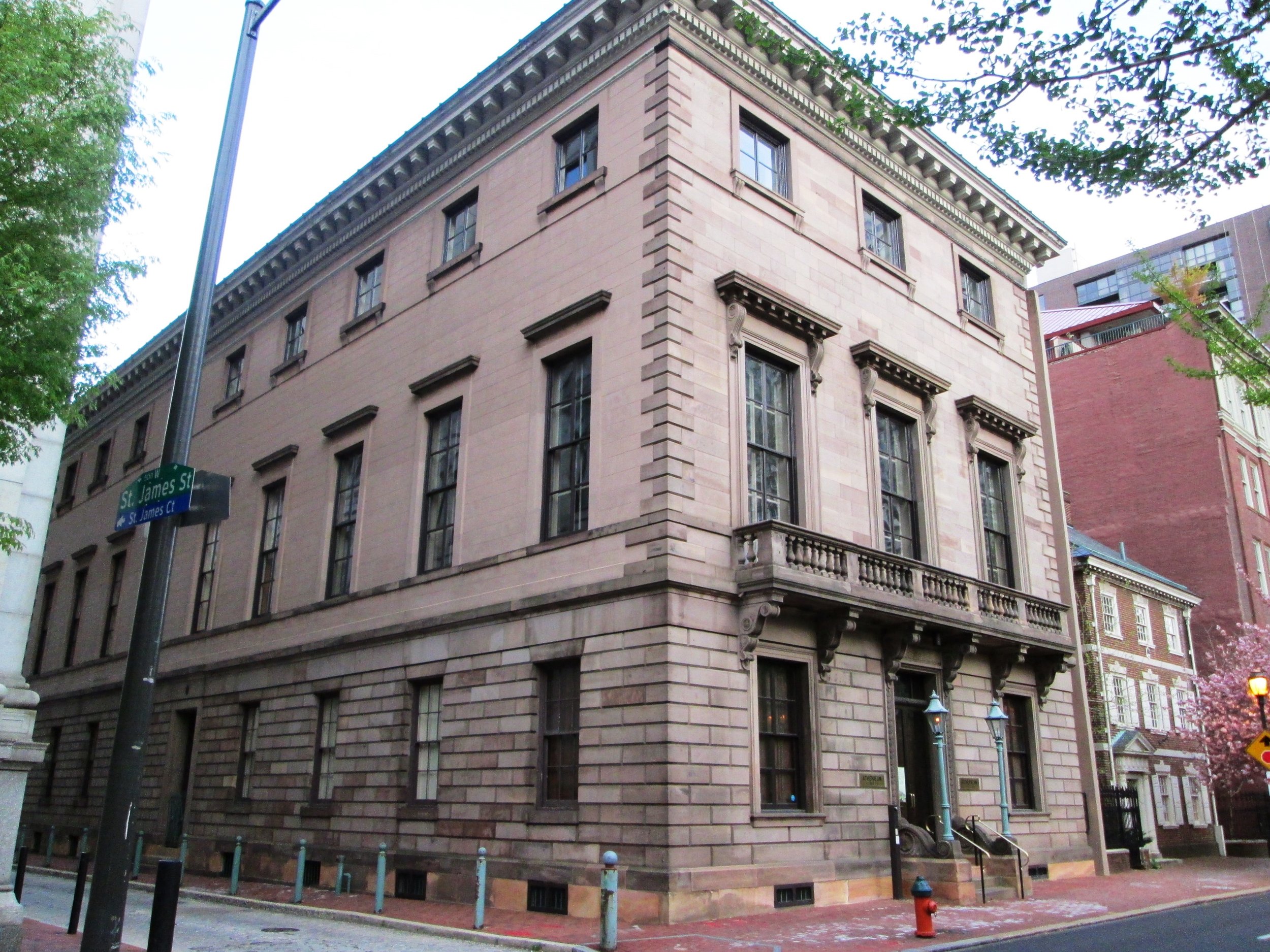
Inside, the Athenaeum holds an extraordinary collection of architectural reference materials, including the Moss Collection, which contains drawings, plans, and records capturing centuries of design thinking. Its preservation efforts ensure that the intellectual heritage of architecture remains accessible, linking craftsmanship with literacy and civic pride.
Architecting Your Financial Life
Architecture offers a profound metaphor for the design of a financial life. A well-built structure balances beauty and utility. Likewise, a sound financial plan must harmonize purpose and function. It is not enough to have ample money for retirement; one must also consider the kind of life that structure supports.
Just as architects consider light, flow, and durability, families must design their financial plans in a way that aligns with how they wish to live. Designing for lifestyle begins by asking what brings meaning. It is not merely about accumulating capital. A well-architected plan, like a sound structure or pleasant park, must withstand the weather of time yet remain a place of comfort in every season of life.
This mindset extends beyond the individual. Architects design for future generations who will inhabit their work. Investors should think similarly, anticipating what their children and grandchildren will value. You may never meet the people who benefit from your foresight, but they will live within its walls.
Architects teach us that improvement is not merely structural. It is moral. It reflects how we choose to live and what we wish to endure. To build well, whether with stone or capital, is to honor the dignity of life itself.